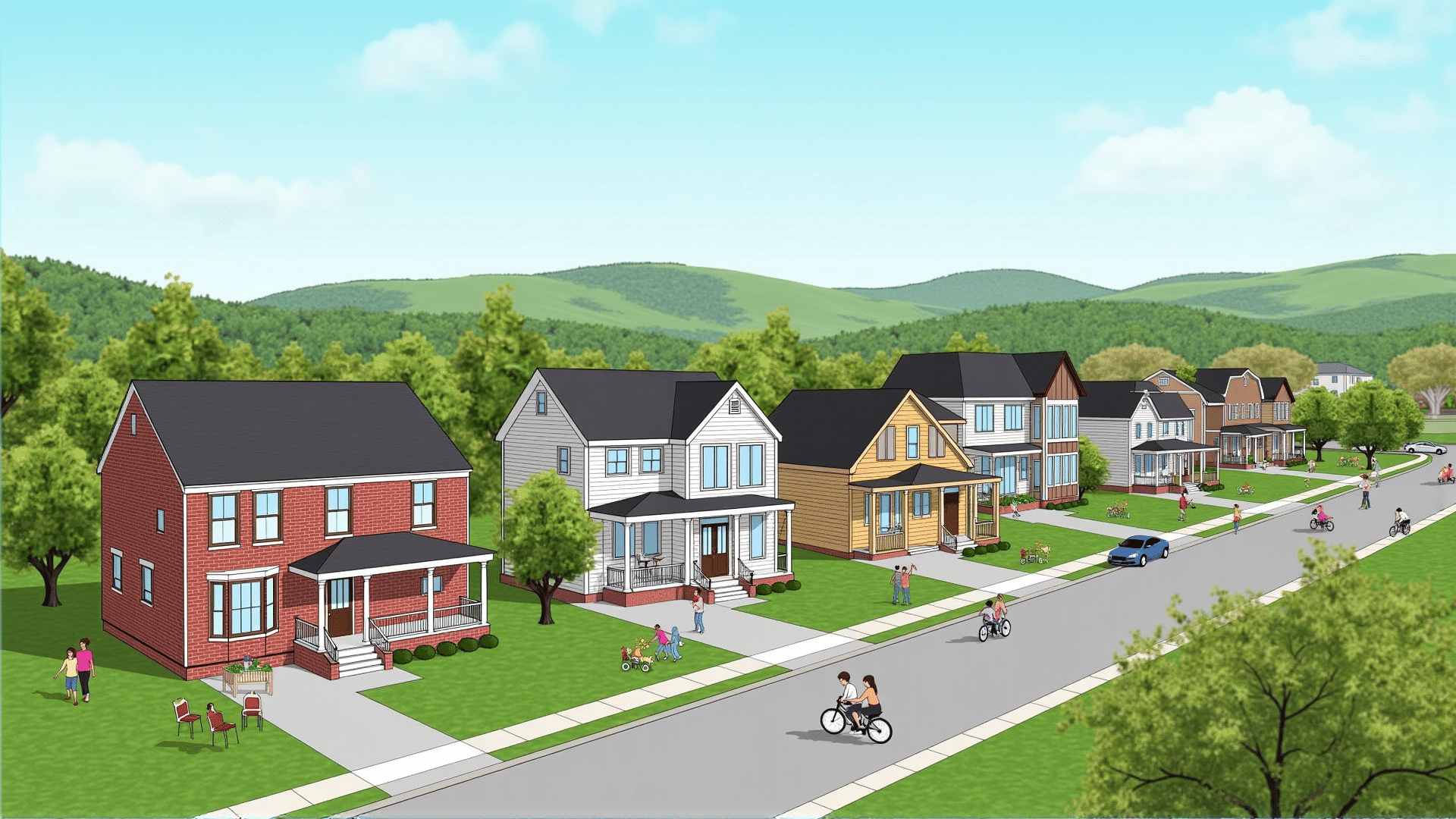
Pennsylvania's housing market is poised for a dynamic year in 2024, marked by evolving trends and shifting buyer preferences. As both urban and suburban areas experience transformations, understanding these changes is crucial for homebuyers, sellers, and real estate professionals alike.
In recent years, Pennsylvania has witnessed a gradual increase in housing prices, influenced by a strong demand for homes combined with a limited supply. As of 2024, this trend continues with moderate price appreciation expected statewide. However, the rate of increase is anticipated to be more tempered compared to previous years, reflecting a market striving for equilibrium after a period of rapid escalation during the pandemic.
One significant factor shaping the market this year is the continued popularity of remote work. With many companies adopting flexible work arrangements, buyers have more freedom to choose locations that prioritize lifestyle over proximity to the workplace. As a result, suburban and rural areas of Pennsylvania, which offer more space and lower cost of living, are seeing increased interest. Regions such as Lancaster, Harrisburg, and the Poconos are experiencing heightened demand as remote workers seek out more tranquil and scenic living environments.
Urban areas, particularly Philadelphia and Pittsburgh, are also witnessing a shift. While these cities remain attractive for those who thrive in bustling environments, there is a noticeable trend towards downsizing and opting for smaller, more affordable urban housing. Younger buyers and first-time homebuyers are increasingly drawn to these cities for their vibrant culture, employment opportunities, and lifestyle amenities. However, the challenge of affordability persists, motivating urban planners and developers to focus on creating more cost-effective housing solutions.
Another trend impacting the Pennsylvania housing market in 2024 is the growing emphasis on sustainability and energy efficiency. Buyers are showing a marked preference for homes that incorporate green technologies and sustainable building practices. Features such as solar panels, energy-efficient windows, and smart home systems are becoming major selling points. This shift not only aligns with broader environmental concerns but also helps homeowners reduce long-term energy costs.
The rental market is also experiencing shifts as high home prices push some potential buyers to remain renters. Rental demand is strong, particularly in cities where young professionals and students constitute a significant portion of the population. As a result, rental prices are expected to rise moderately, prompting renters to seek out affordable housing options further from city centers.
In terms of demographics, Pennsylvania's aging population continues to play a role in the housing market. As baby boomers retire and look to downsize, there is an increased demand for smaller, low-maintenance homes. This demographic shift presents opportunities for builders and investors to cater to an older population's needs, particularly in sectors like senior living communities.
For those considering buying or selling in Pennsylvania this year, staying informed about these trends will be vital. Buyers should be prepared for competition in desirable areas and consider pre-approval to streamline the purchasing process. Sellers, on the other hand, can capitalize on the demand by highlighting features like home office spaces and energy-efficient upgrades.
In conclusion, Pennsylvania's housing market in 2024 is characterized by moderated price growth, changing buyer preferences toward suburban and rural areas, and a heightened focus on sustainability. As demographic and lifestyle shifts continue to drive the market, stakeholders must adapt to these changes to make informed real estate decisions.